
AI Automation Services That Take Real Work Off Your Team
Most businesses don't have an AI problem. They have twelve people spending part of every day moving information between systems. We find the repetitive parts a machine can handle reliably, and build those.
What Makes Our AI Automation Services Different
Eight reasons US companies bring us the next process after the first one works.
Process Discovery First
We spend week one watching the people doing the work, workarounds included. You get a written list of candidate processes, and some of them will say don't automate this.
- We Sit With Your Team
- Workarounds Recorded Too
- Time Saved Per Process
- A Written Don't-Automate List
Exception Queues Included
When something doesn't match, the system doesn't guess. The mismatch goes to a queue with the problem highlighted, so a person settles it in about ninety seconds instead of ten minutes.
- Mismatch Highlighted
- Ninety-Second Reviews
- No Silent Guessing
- Queue Ownership Assigned
Shadow Mode Testing
We run the new automation alongside your existing process before it goes live, so you can compare outputs on real work. Nothing switches over until the numbers agree.
- Runs Alongside Your Process
- Side-By-Side Output Comparison
- Two Weeks Of Real Work
- Switch Over On Your Say-So
Straight-Through Rates, Not Promises
Realistically seventy to eighty-five percent of documents go through untouched. Not a hundred. Anyone promising a hundred percent hasn't looked at your supplier data yet.
- Straight-Through Rate Reported
- High Nineties Field Accuracy
- Exception Rate Tracked
- No Hundred-Percent Claims
Works With Your Systems
NetSuite, SAP, Dynamics, Salesforce, HubSpot and the major EHRs have workable APIs. Older on-premise systems need database-level integration, which is slower.
- NetSuite, SAP & Dynamics
- Salesforce & HubSpot
- Major EHR Systems
- Database-Level For Legacy
You Own It
You own the code and the models you paid us to train. At handover you get documentation, admin access and training for whoever runs it day to day.
- Source Code Handed Over
- Model Weights Are Yours
- Admin Access Included
- Owner Training Session
A Person Signs Off
For regulated decisions like credit, hiring and insurance denials, the model prepares the case and a person makes the call. Every action gets logged, so an auditor can follow it.
- Bias & Fairness Testing
- Explainable AI Reporting
- Privacy-Preserving Training
- Compliance-Ready Documentation
Sometimes A Rule Beats A Model
If the answer is the same for a given input, write an if-statement. It's cheaper and it never hallucinates. We'll tell you when that's the case.
- Rules Where Rules Work
- Fix The Process First
- Cheaper Than A Model
- We'll Talk You Out Of It
What AI Automation Actually Looks Like: The Invoice
A person opens each invoice email or PDF, then retypes the vendor name, PO number, line items and totals into the accounting system by hand. They cross-check the numbers against purchase orders sitting in a separate system, and when something doesn't match, they chase it down by emailing the vendor or a colleague. This eats a meaningful chunk of someone's day, every day, and the mistakes that slip through usually don't surface until reconciliation weeks later.
The system reads the vendor, PO number and totals directly off the invoice, checks them against the ERP line by line automatically, and files anything that matches cleanly straight through with no human touch. Anything that doesn't match — a wrong PO number, a total that's off by a few cents, a vendor not on file — drops into an exception queue with the specific mismatch highlighted, so the person reviewing it can resolve it in under two minutes instead of reconstructing the whole invoice from scratch. The realistic number is seventy to eighty-five percent of invoices going through untouched, not a hundred.
What Our AI Automation Services Build For You
Eight ways to put AI to work in your business, from chatbots to document processing and agentic workflows. Scroll to stack through them.
Document Processing Automation
An invoice arrives, the system reads the vendor, PO number and totals, checks them against your ERP line by line, then routes it for approval.
- Invoice & PO Matching
- Exception Queue For Mismatches
- Claims, Contracts & Timesheets
- Posts Into Your ERP
Agentic Process Automation
The software takes a goal and works out the steps instead of following a fixed script. Every agent gets defined tools and hard limits.
- Goal-Driven, Not Scripted
- Defined Tool Access Only
- Approval Limits Built In
- Every Action Logged
Sales Process Automation
Lead enrichment from a form, routing by territory or deal size, meeting notes turned into CRM fields. Usually the fastest payback.
- Lead Enrichment & Routing
- Kordic, Salesforce Or HubSpot
- Meeting Notes Into CRM
- Stale Deal Alerts
Predictive Analytics & Forecasting
Which customers leave, how much stock to hold, which invoices pay late. Two years of history is usually enough, six months isn't.
- Demand & Sales Forecasting
- Churn & Risk Scoring
- Time-Series Modeling
- Dashboards Decision-Makers Use
Platform Automation Services
Plenty of companies own a UiPath or Power Automate license and stopped after the first pilot. Intelligent automation services extend those bots to read unstructured documents.
- Extend Existing RPA Bots
- Automation Anywhere Generative AI
- Unstructured Document Reading
- Honest License Cost Advice
Data Cleanup & IT Automation
If your customer records sit in three systems with different spellings and no shared ID, no model fixes that. Cleanup comes first.
- Record Matching & Dedupe
- Shared ID Across Systems
- BPM Automation Mapping
- IT Automation Services
AI Chatbots & Support Automation
GACS reads your documentation, pricing and support tickets, then answers from those. When it can't, it hands off to a person.
- Chatbot Development Services
- Grounded In Your Content
- Handoff With Full History
- Multi-Channel Deployment
AI Custom Software Development
Sometimes automation needs an app underneath it, like a supplier portal or the tool where the exception queue lives. Python, Node.js and React.
- Supplier & Client Portals
- Exception Queue Tooling
- Python, Node.js, React
- You Own The Code
We build on the stack that fits your project, not the one we happen to default to.
Our AI Automation Process
No black-box modeling. Every project moves through the same seven stages, so you always know where things stand and what we need from you.
Week One: Watching
We sit with the people doing the work and record what actually happens, workarounds included. Most process documents describe the version nobody follows any more.
Week Two: Scoping
You get a written list of candidate processes with time saved, build effort and a risk note on each. Some say don't automate this.
Data Check And Cleanup
Before anything gets built we look at the data the process depends on. If records are split across systems with no shared ID, cleanup comes first.
First Working Version
Two to three weeks in, you have something running on your real documents, not a slide deck about what it will do.
Shadow Mode Run
The automation runs alongside your existing process on the same work. You compare both outputs for a couple of weeks before anything switches over.
Deployment & Integration
The automation posts into NetSuite, SAP, Dynamics, Salesforce or whatever you already run, through their APIs.
Handover And Support
Documentation, admin access and training for whoever owns the process. You own the code and the models you paid us to train.
Where AI Doesn't Work, And We'll Say So
If your customer records sit across three systems with different spellings and no shared ID, no model fixes that by itself. Cleanup has to come before automation, not after it.
Some decisions genuinely need a person weighing context a model can't see — a long-standing client getting flexibility on terms, an edge case nobody's written a rule for yet. We build the automation around that judgment call, not instead of it.
For credit, hiring or insurance denials, the model prepares the case and a person signs off. That's not a limitation we're working around — it's how it should work, and how we build it.
If a process changes every month, fix the process first. And if the answer is always the same for a given input, an if-statement is cheaper than a model and it never hallucinates.
Ten Industries. One Team.
We work with manufacturing, healthcare, finance and logistics most, where the repetitive work is document-heavy and the volumes are high.
Healthcare
Claims and intake automation
Real Estate
Document and contract automation
Finance
KYC checks and transaction monitoring
SaaS
Support ticket automation
Retail & eCommerce
Demand forecasting and returns
Education
Enrollment and records automation
Manufacturing
Invoice and purchase order matching
Logistics
Delivery notes and demand prediction
Hospitality
Booking and supplier invoice handling
Legal
Contract analysis & document automation
Real Products We've Built. Live In Production.
A look at platforms we've designed, developed and shipped. Live products solving real problems for real businesses.

InfraNexa
A cloud & DevOps consultancy site built to convert enterprise leads. Clear service breakdown across AWS, Azure, CI/CD and Kubernetes, backed by real uptime and cost-saving numbers.
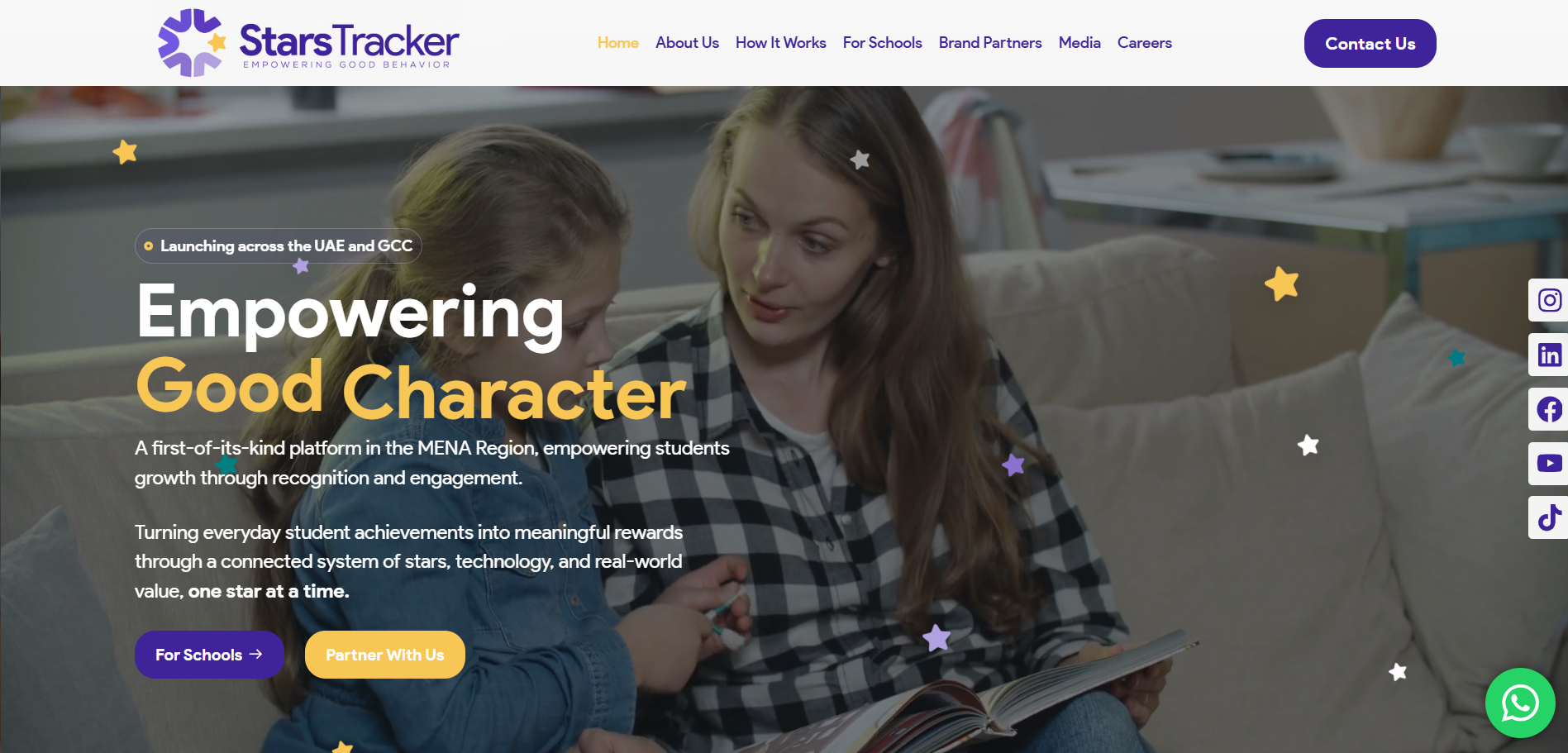
StarsTracker
A first-of-its-kind rewards platform for MENA schools. It connects physical star rewards to a digital wallet through QR scanning, built to engage students, parents and brand partners.
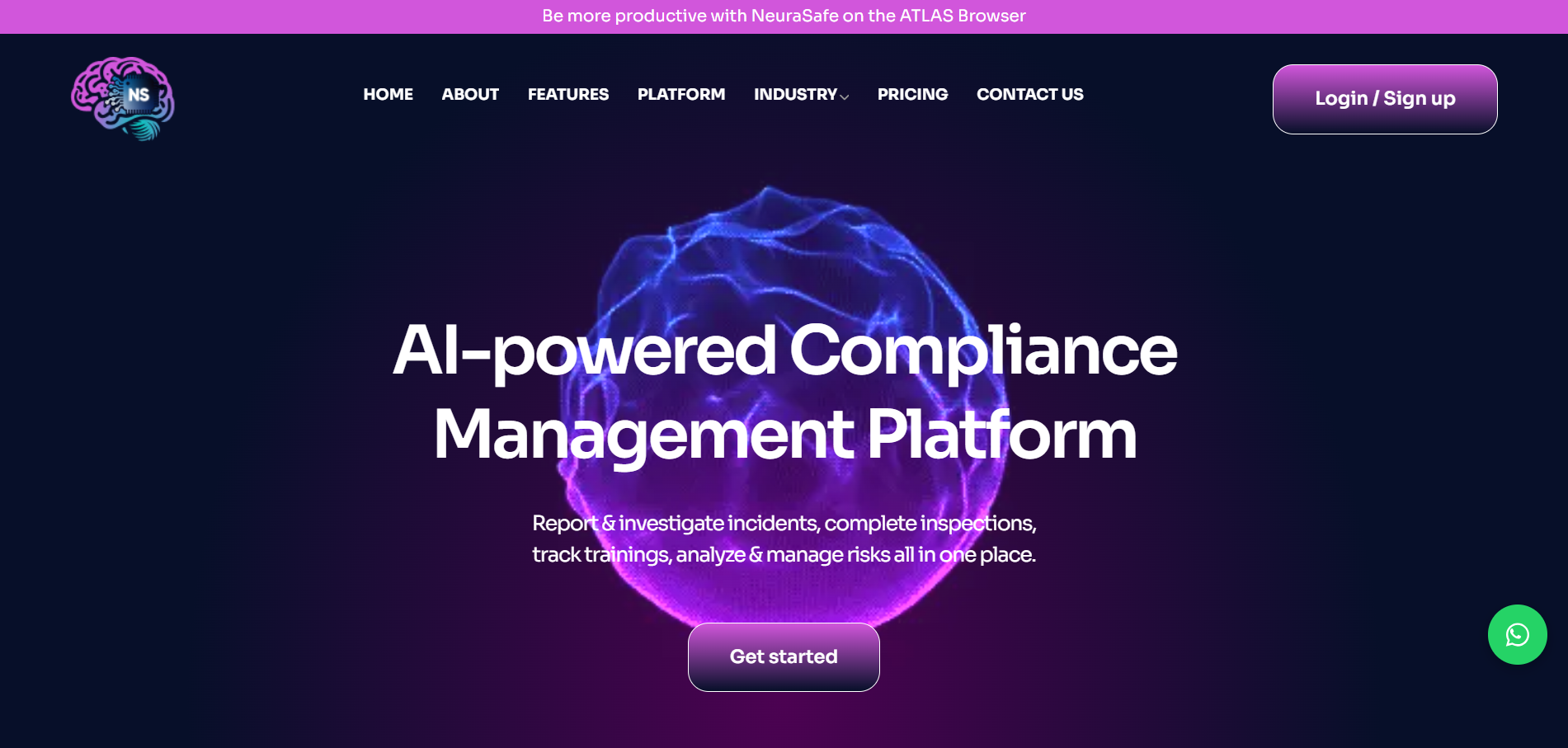
NeuraSafe
An AI-powered safety and compliance platform that replaces paperwork with digital workflows. Incident reporting, inspections and audit tracking in one place.
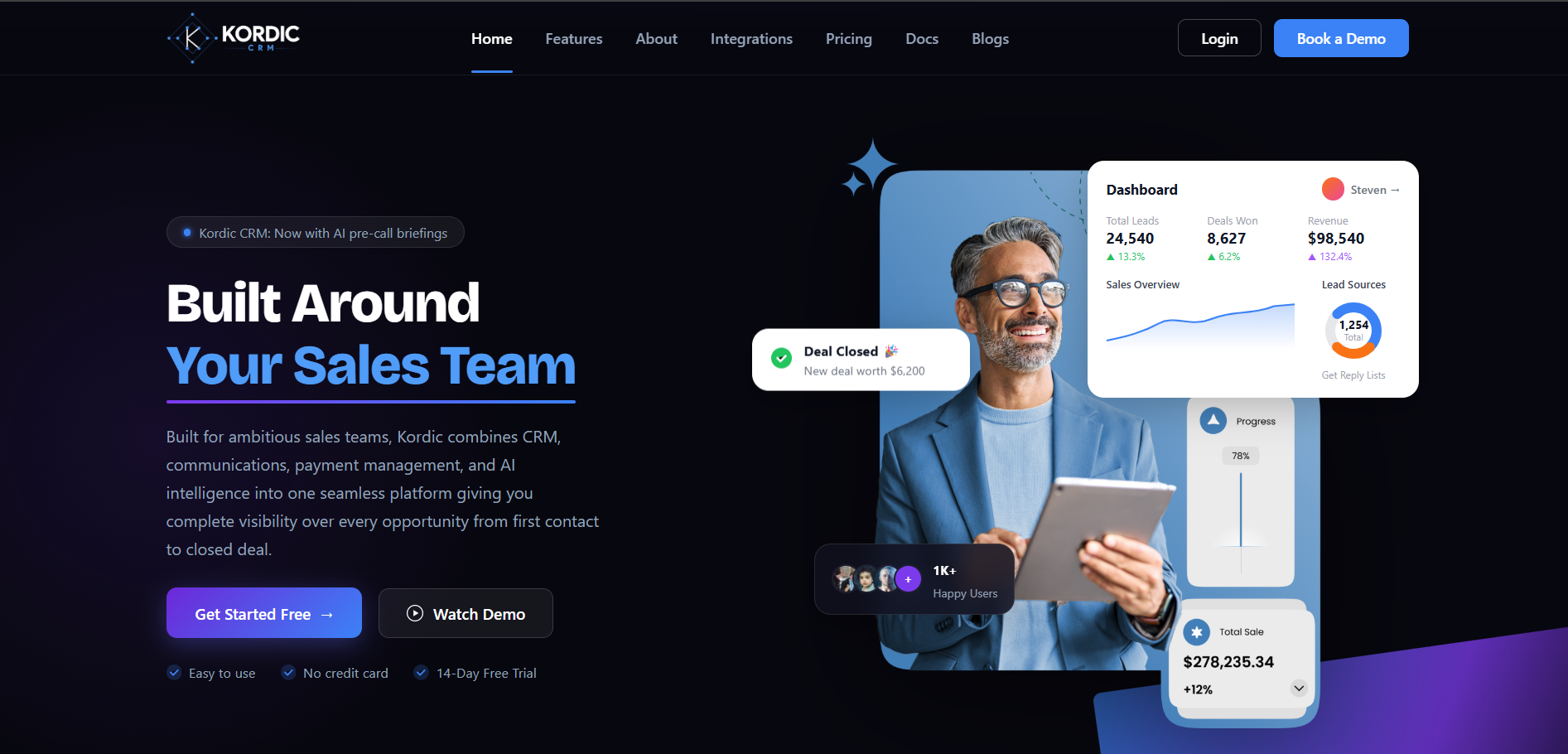
Kordic
An all-in-one CRM for modern sales teams. Pipeline, payments and AI pre-call briefings in one platform, with stale-lead alerts and accountant workflows competitors don't offer.
Frequently asked questions.
A single well-defined workflow, one document type into one system, generally runs 8,000 to 25,000 dollars and takes three to six weeks. Multi-step agentic workflows touching several systems run 30,000 to 90,000 dollars and two to four months.
It finds repetitive work inside your business and builds software that handles it, using AI models where the work involves reading or judging and plain code everywhere else. The real job is exception handling.
On decent inputs, high nineties on the fields that matter. The number that matters more is the straight-through rate, usually seventy to eighty-five percent.
That's your call. The default is a cloud model from OpenAI or a similar US-hosted provider, with no training on your data. If your compliance rules don't allow that, we run open-weight models inside your own environment, which costs more and performs a little below the frontier models.
Most of the time, yes. NetSuite, SAP, Dynamics, Salesforce, HubSpot and the major EHRs have workable APIs. Older on-premise systems sometimes need a database-level integration, which is slower but works.
Often yes. A two-week discovery tells you which processes are worth automating and stops the wrong project. If you know the process, skip to the build.